Citrusy
Edible
Notesbergamotorange blossompatchoulipink pepperpowdery nuancetonka beansvanilla
Tags
#fresh
#powdery
#savory
#sexy
#sweet
Style
unisex
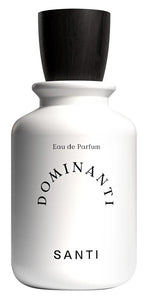
The name means “dominant saints”, and the angel in charge here is Tunisian Orange Blossom Absolute, flying in clouds of amber, vanilla, and a touch of crème brûlée. A distinctive salted skin accord, along with a gourmand-ified patchouli, adds a rasp to the sweetness.
Perfumer: Maud Chabanis
All about this fragrance
Vibe check
A leisurely conversation around a sunlit table, with linen sleeves pushed back and no need to command attention. Orange blossom keeps the mood open, while salted sweetness lends an intimate undercurrent: composed on the surface, warmer at close quarters.
How to wear
Try it in mild spring or autumn weather, when the orange blossom and amber-gourmand base can share the foreground. Start with one or two sprays on skin; a restrained application keeps the sweet, powdery warmth close. In hotter weather, apply lightly so the vanilla and crème brûlée do not overwhelm the citrus opening.
Who it’s for
For those drawn to floral gourmands with a savory counterpoint rather than uninterrupted sugar. It suits a taste for powdery tonka, creamy vanilla and orange blossom, with salted skin and patchouli adding texture to the sweetness.
Release year
2026
The nose
Maud Chabanis created Dominanti Santi in collaboration with founder and creative director Saif Bassim. She also composed Immortali and Amori for the house’s inaugural collection, interpreting its central brief of contrasting identities.
Collaborators
Saif Bassim, founder and creative director, shaped the conceptual brief and worked with Maud Chabanis on Dominanti Santi. His vision centered on contradiction, expressed here through quiet confidence and warmth beneath restraint.
Santi Peccatori’s story
Santi Peccatori explores the coexistence of saint and sinner, light and shadow, without asking the wearer to choose a side. Developed through an Ireland–France partnership, its compositions combine botanical and synthetic materials. The daytime SANTI and evening PECCATORI lines differ in character rather than concentration.
Dominanti Santi’s concept
Dominanti Santi belongs to the house’s first four fragrances, developed from Bassim’s brief about contradiction. Its creative imagery pairs sunlit Sunday ease and natural linen with composed leadership: dominance understood as quiet confidence, softened by orange blossom and gourmand warmth.
Extra info
The name means “dominant saints.” Although it belongs to the daytime SANTI line, Dominanti Santi has the same stated 25% fragrance concentration as the evening PECCATORI collection. The house also specifies a 90-day maceration period.
Notesbergamotorange blossompatchoulipink pepperpowdery nuancetonka beansvanilla
Tags
#fresh
#powdery
#savory
#sexy
#sweet
Style
unisex
The name means “dominant saints”, and the angel in charge here is Tunisian Orange Blossom Absolute, flying in clouds of amber, vanilla, and a touch of crème brûlée. A distinctive salted skin accord, along with a gourmand-ified patchouli, adds a rasp to the sweetness.
Perfumer: Maud Chabanis
All about this fragrance
Vibe check
A leisurely conversation around a sunlit table, with linen sleeves pushed back and no need to command attention. Orange blossom keeps the mood open, while salted sweetness lends an intimate undercurrent: composed on the surface, warmer at close quarters.
How to wear
Try it in mild spring or autumn weather, when the orange blossom and amber-gourmand base can share the foreground. Start with one or two sprays on skin; a restrained application keeps the sweet, powdery warmth close. In hotter weather, apply lightly so the vanilla and crème brûlée do not overwhelm the citrus opening.
Who it’s for
For those drawn to floral gourmands with a savory counterpoint rather than uninterrupted sugar. It suits a taste for powdery tonka, creamy vanilla and orange blossom, with salted skin and patchouli adding texture to the sweetness.
Release year
2026
The nose
Maud Chabanis created Dominanti Santi in collaboration with founder and creative director Saif Bassim. She also composed Immortali and Amori for the house’s inaugural collection, interpreting its central brief of contrasting identities.
Collaborators
Saif Bassim, founder and creative director, shaped the conceptual brief and worked with Maud Chabanis on Dominanti Santi. His vision centered on contradiction, expressed here through quiet confidence and warmth beneath restraint.
Santi Peccatori’s story
Santi Peccatori explores the coexistence of saint and sinner, light and shadow, without asking the wearer to choose a side. Developed through an Ireland–France partnership, its compositions combine botanical and synthetic materials. The daytime SANTI and evening PECCATORI lines differ in character rather than concentration.
Dominanti Santi’s concept
Dominanti Santi belongs to the house’s first four fragrances, developed from Bassim’s brief about contradiction. Its creative imagery pairs sunlit Sunday ease and natural linen with composed leadership: dominance understood as quiet confidence, softened by orange blossom and gourmand warmth.
Extra info
The name means “dominant saints.” Although it belongs to the daytime SANTI line, Dominanti Santi has the same stated 25% fragrance concentration as the evening PECCATORI collection. The house also specifies a 90-day maceration period.