Citrusy
Leather
Notesambercardamomcastoreumcinnamoncoconutcoriandergingerjasminelimemuskriceroseshisovetiver
Style
for her
for him
unisex

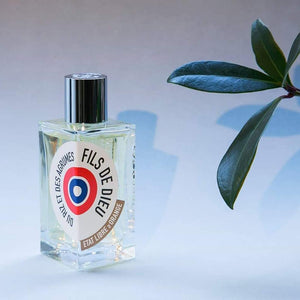
He brings the sun. Fils de dieu comes from the Philippines to spread a message of warmth and enlightenment. Here, find an innocent wisdom that points to dreams and liberation. This is the golden eye that reflects beauty and conflict, rapture and pain. Fils de dieu is an emotional fragrance, a scent that requires a sympathetic connection between the server and the served, the giver and the taker, and the willingness to exchange roles.
All about this fragrance
Vibe check
The mood is a sunlit kitchen with the windows open: lime being cut, herbs on the counter, warm rice nearby. Its culinary softness suggests relaxed hospitality, while the leather underneath gives the wearer a more private, less innocent presence.
How to wear
Try it in spring or moderate summer warmth, when the citrus and green herbs can lift the softer rice-and-coconut accord. Start with one or two sprays on skin to keep that warmth close; in hotter weather, apply lightly so the creamy side does not outweigh the brighter notes.
Who it’s for
For those drawn to savory gourmands, green citrus and soft leather rather than sugary desserts. It suits a taste for contrasts: aromatic herbs against creamy coconut, familiar food associations against a more intimate, musky base.
Release year
2012
The nose
Ralf Schwieger is known for combining technical precision with unusual sensory references, from the cosmetic textures of Frédéric Malle’s Lipstick Rose to the mineral, amber-toned character of Hermès Eau des Merveilles, co-created with Nathalie Feisthauer. In Fils de Dieu, he brings culinary ingredients into perfumery without turning them into a conventional dessert accord.
Etat Libre d'Orange’s story
État Libre d’Orange treats perfume as a space for creative freedom rather than consensus. Founded by Étienne de Swardt, the house pairs provocative names and unconventional ideas with serious compositions, keeping its bottles deliberately simple so the fragrance remains the central work.
Fils de Dieu’s concept
Schwieger drew inspiration from John Huston’s Reflections in a Golden Eye and Brillante Mendoza’s Masahista. Originally conceived under the name Philippine Houseboy, the fragrance explores contrasting identities and the exchange between serving and being served. Its rice, coconut and green spices translate that concept into a warm, culinary vocabulary rather than a literal portrait.
Extra info
The full name, Fils de Dieu du riz et des agrumes, translates as “Son of God, of rice and citrus.” Nez later included the fragrance in its discussion of cereal notes and newer gourmand styles, highlighting its place beyond the usual vanilla-and-confectionery vocabulary.
Out of stock£155.00, 100 ml EdP
£129.17 your price
Out of stock£110.00, 50 ml EdP
£91.67 your price
Notesambercardamomcastoreumcinnamoncoconutcoriandergingerjasminelimemuskriceroseshisovetiver
Style
for her
for him
unisex
He brings the sun. Fils de dieu comes from the Philippines to spread a message of warmth and enlightenment. Here, find an innocent wisdom that points to dreams and liberation. This is the golden eye that reflects beauty and conflict, rapture and pain. Fils de dieu is an emotional fragrance, a scent that requires a sympathetic connection between the server and the served, the giver and the taker, and the willingness to exchange roles.
All about this fragrance
Vibe check
The mood is a sunlit kitchen with the windows open: lime being cut, herbs on the counter, warm rice nearby. Its culinary softness suggests relaxed hospitality, while the leather underneath gives the wearer a more private, less innocent presence.
How to wear
Try it in spring or moderate summer warmth, when the citrus and green herbs can lift the softer rice-and-coconut accord. Start with one or two sprays on skin to keep that warmth close; in hotter weather, apply lightly so the creamy side does not outweigh the brighter notes.
Who it’s for
For those drawn to savory gourmands, green citrus and soft leather rather than sugary desserts. It suits a taste for contrasts: aromatic herbs against creamy coconut, familiar food associations against a more intimate, musky base.
Release year
2012
The nose
Ralf Schwieger is known for combining technical precision with unusual sensory references, from the cosmetic textures of Frédéric Malle’s Lipstick Rose to the mineral, amber-toned character of Hermès Eau des Merveilles, co-created with Nathalie Feisthauer. In Fils de Dieu, he brings culinary ingredients into perfumery without turning them into a conventional dessert accord.
Etat Libre d'Orange’s story
État Libre d’Orange treats perfume as a space for creative freedom rather than consensus. Founded by Étienne de Swardt, the house pairs provocative names and unconventional ideas with serious compositions, keeping its bottles deliberately simple so the fragrance remains the central work.
Fils de Dieu’s concept
Schwieger drew inspiration from John Huston’s Reflections in a Golden Eye and Brillante Mendoza’s Masahista. Originally conceived under the name Philippine Houseboy, the fragrance explores contrasting identities and the exchange between serving and being served. Its rice, coconut and green spices translate that concept into a warm, culinary vocabulary rather than a literal portrait.
Extra info
The full name, Fils de Dieu du riz et des agrumes, translates as “Son of God, of rice and citrus.” Nez later included the fragrance in its discussion of cereal notes and newer gourmand styles, highlighting its place beyond the usual vanilla-and-confectionery vocabulary.