Floral
Fruity
Top Notesappleginjo-kapearraspberry
Heartcherry blossomlily-of-the-valleyrose
Base Notescedarwoodmusk
Tags
#clean
#fresh
Style
unisex
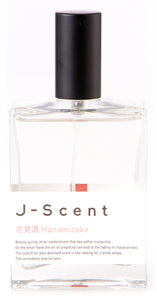
Hanamizake refers to drinking Japanese sake underneath the cherry blossom trees while petals slowly flutter into your cup. The aroma of cherry blossoms and ginjo sake dances tipsily into the last musk note, summoning this serene hanami (cherry blossom viewing) experience.
All about this fragrance
Vibe check
An unhurried spring afternoon, with a small cup of sake in hand and petals settling nearby. The pear-and-apple brightness keeps the mood sociable, while blossom and musk suggest a softer presence as conversation slows—gentle rather than exuberant.
How to wear
The fresh fruit and delicate floral profile lends itself to spring and mild weather. Start with one or two sprays on the neck or forearms for a restrained impression, letting the sake-inspired opening give way to blossom and soft musk. In warmer conditions, begin lightly and adjust after it settles.
Who it’s for
For those who enjoy fresh fruity florals but want a distinctive reference beyond fruit and flowers alone. Its sake-inspired accord, cherry blossom and soft musky finish suit a taste for delicate textures, understated sweetness and fragrances that evoke a specific scene.
Release year
2017
J-Scent’s story
J-Scent captures Japanese life through scent, drawing on seasonal traditions, nature and familiar everyday smells. Created and manufactured in Japan, its fragrances favour recognisable experiences and remembered scenes over stereotypical imagery, giving each composition a distinct narrative.
Hanamizake (Watching Sakura & Drinking Sake)’s concept
Hanamizake began with the image of cherry-blossom petals fluttering into a cup of sake. The composition translates that scene through ginjo-ka, the characteristic fruity aroma of ginjo sake, followed by blossom sweetness and soft musk. Its gently hazy finish evokes the relaxed pleasure of drinking beneath flowering trees.
Extra info
Hanamizake joined J-Scent’s second release group alongside Paper Soap and Hydrangea. Its sake accord centres on ginjo-ka—the fruity aroma associated with ginjo sake—rather than treating sake simply as a sharp alcoholic note.
Featured in edits and sample packs
Boozy Fumes
Top Notesappleginjo-kapearraspberry
Heartcherry blossomlily-of-the-valleyrose
Base Notescedarwoodmusk
Tags
#clean
#fresh
Style
unisex
Hanamizake refers to drinking Japanese sake underneath the cherry blossom trees while petals slowly flutter into your cup. The aroma of cherry blossoms and ginjo sake dances tipsily into the last musk note, summoning this serene hanami (cherry blossom viewing) experience.
All about this fragrance
Vibe check
An unhurried spring afternoon, with a small cup of sake in hand and petals settling nearby. The pear-and-apple brightness keeps the mood sociable, while blossom and musk suggest a softer presence as conversation slows—gentle rather than exuberant.
How to wear
The fresh fruit and delicate floral profile lends itself to spring and mild weather. Start with one or two sprays on the neck or forearms for a restrained impression, letting the sake-inspired opening give way to blossom and soft musk. In warmer conditions, begin lightly and adjust after it settles.
Who it’s for
For those who enjoy fresh fruity florals but want a distinctive reference beyond fruit and flowers alone. Its sake-inspired accord, cherry blossom and soft musky finish suit a taste for delicate textures, understated sweetness and fragrances that evoke a specific scene.
Release year
2017
J-Scent’s story
J-Scent captures Japanese life through scent, drawing on seasonal traditions, nature and familiar everyday smells. Created and manufactured in Japan, its fragrances favour recognisable experiences and remembered scenes over stereotypical imagery, giving each composition a distinct narrative.
Hanamizake (Watching Sakura & Drinking Sake)’s concept
Hanamizake began with the image of cherry-blossom petals fluttering into a cup of sake. The composition translates that scene through ginjo-ka, the characteristic fruity aroma of ginjo sake, followed by blossom sweetness and soft musk. Its gently hazy finish evokes the relaxed pleasure of drinking beneath flowering trees.
Extra info
Hanamizake joined J-Scent’s second release group alongside Paper Soap and Hydrangea. Its sake accord centres on ginjo-ka—the fruity aroma associated with ginjo sake—rather than treating sake simply as a sharp alcoholic note.
Featured in edits and sample packs
Boozy Fumes