Floral
Vintage/old school
Top Notesbergamotgalbanumlemontarragon
Heartbroom flowercarnationclovesjasminelily-of-the-valleyorange blossomrosetuberosevioletylang-ylang
Base Notescedarwoodcivetmuskoakmossorris (iris root)sandalwoodtonka beans
Tags
#powdery
Style
for her
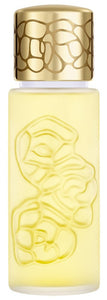
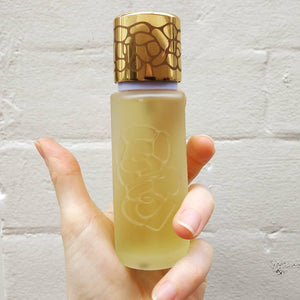
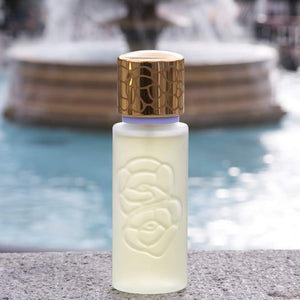
In 1912, Houbigant's perfumer Robert Bienaimé picked up the ball from Paul Parquet (who earlier invented the whole fougere category while working for Houbigant at the end of the 18th century) and introduced Quelques Fleurs, one of Houbigant’s all-time great fragrances and the first multi-floral bouquet ever created.
The current owners of Houbigant take the heritage and history of the house very seriously and try to adapt the famous formulas from the 18th and 19th centuries to the 21st century's tastes and technologies while keeping the character and old-school flair as close as possible to the originals.
You might have read about Quelques Fleurs in books on perfume and the guides on the greatest perfumes of all time.
The current reincarnation is an adaptation of the original formula to modern times taste and it benefits from modern advances in perfume making.
Meet the 21st century Quelques Fleurs, a gorgeous romantic floral with a big history and an infinite number of floral facets.
All about this fragrance
Vibe check
This is a dressed, romantic presence: powder at the collar, a full floral bouquet accompanying measured conversation. It suits an afternoon that calls for a little ceremony, when the wearer wants softness with structure rather than the casual immediacy of a fresh floral.
How to wear
Try it in mild spring weather or cooler air, when the powdery floral layers have room to unfold. Start with one or two sprays on the upper chest or wrists for a restrained impression; in warm rooms, apply lightly so the rich bouquet remains comfortable at close range.
Who it’s for
For lovers of classical floral bouquets, powdery iris textures and a distinctly vintage sensibility. It will appeal most to those who enjoy layered compositions in which carnation, violet and ylang-ylang form a collective impression rather than a single dominant flower.
Release year
1912
The nose
Robert Bienaimé created Quelques Fleurs at Houbigant, where he trained under Paul Parquet. His work on this fragrance brought many floral facets together into a unified bouquet rather than a portrait of one flower. He later established his own perfume house, Bienaimé, extending a career rooted in the craftsmanship of classical French perfumery.
Houbigant’s story
Founded in Paris in 1775, Houbigant treats its heritage as a repertoire to preserve and renew. Influential compositions such as Fougère Royale and Quelques Fleurs anchor a house identity built on French perfumery, complex construction and contemporary interpretations of historic fragrances.
Quelques Fleurs L'Original’s concept
Created in 1912, Quelques Fleurs was conceived as a unified floral bouquet, with individual flowers contributing to a larger impression rather than taking turns as soloists. Today’s L’Original honors that composition through a later interpretation; its historic lineage should not be confused with an unchanged formula.
Extra info
The L’Original suffix belongs to a later chapter of the fragrance’s history and was already in use in late-1980s advertising. The standard eau de parfum and Collection Privée Eau de Parfum Extrême are distinct presentations, not interchangeable product specifications.
Celebrity connection
Diana, Princess of Wales, is linked to Quelques Fleurs through reports that she wore it for her wedding on July 29, 1981. Vogue France attributes the identification to her makeup artist. This association concerns the historic fragrance, not necessarily today’s L’Original eau de parfum.
Featured in edits and sample packs
2020 Bestsellers | Her
Out of stock£160.00, 100 ml EdP
£133.33 your price
Top Notesbergamotgalbanumlemontarragon
Heartbroom flowercarnationclovesjasminelily-of-the-valleyorange blossomrosetuberosevioletylang-ylang
Base Notescedarwoodcivetmuskoakmossorris (iris root)sandalwoodtonka beans
Tags
#powdery
Style
for her
In 1912, Houbigant's perfumer Robert Bienaimé picked up the ball from Paul Parquet (who earlier invented the whole fougere category while working for Houbigant at the end of the 18th century) and introduced Quelques Fleurs, one of Houbigant’s all-time great fragrances and the first multi-floral bouquet ever created.
The current owners of Houbigant take the heritage and history of the house very seriously and try to adapt the famous formulas from the 18th and 19th centuries to the 21st century's tastes and technologies while keeping the character and old-school flair as close as possible to the originals.
You might have read about Quelques Fleurs in books on perfume and the guides on the greatest perfumes of all time.
The current reincarnation is an adaptation of the original formula to modern times taste and it benefits from modern advances in perfume making.
Meet the 21st century Quelques Fleurs, a gorgeous romantic floral with a big history and an infinite number of floral facets.
All about this fragrance
Vibe check
This is a dressed, romantic presence: powder at the collar, a full floral bouquet accompanying measured conversation. It suits an afternoon that calls for a little ceremony, when the wearer wants softness with structure rather than the casual immediacy of a fresh floral.
How to wear
Try it in mild spring weather or cooler air, when the powdery floral layers have room to unfold. Start with one or two sprays on the upper chest or wrists for a restrained impression; in warm rooms, apply lightly so the rich bouquet remains comfortable at close range.
Who it’s for
For lovers of classical floral bouquets, powdery iris textures and a distinctly vintage sensibility. It will appeal most to those who enjoy layered compositions in which carnation, violet and ylang-ylang form a collective impression rather than a single dominant flower.
Release year
1912
The nose
Robert Bienaimé created Quelques Fleurs at Houbigant, where he trained under Paul Parquet. His work on this fragrance brought many floral facets together into a unified bouquet rather than a portrait of one flower. He later established his own perfume house, Bienaimé, extending a career rooted in the craftsmanship of classical French perfumery.
Houbigant’s story
Founded in Paris in 1775, Houbigant treats its heritage as a repertoire to preserve and renew. Influential compositions such as Fougère Royale and Quelques Fleurs anchor a house identity built on French perfumery, complex construction and contemporary interpretations of historic fragrances.
Quelques Fleurs L'Original’s concept
Created in 1912, Quelques Fleurs was conceived as a unified floral bouquet, with individual flowers contributing to a larger impression rather than taking turns as soloists. Today’s L’Original honors that composition through a later interpretation; its historic lineage should not be confused with an unchanged formula.
Extra info
The L’Original suffix belongs to a later chapter of the fragrance’s history and was already in use in late-1980s advertising. The standard eau de parfum and Collection Privée Eau de Parfum Extrême are distinct presentations, not interchangeable product specifications.
Celebrity connection
Diana, Princess of Wales, is linked to Quelques Fleurs through reports that she wore it for her wedding on July 29, 1981. Vogue France attributes the identification to her makeup artist. This association concerns the historic fragrance, not necessarily today’s L’Original eau de parfum.
Featured in edits and sample packs
2020 Bestsellers | Her