Vintage/old school
Woody
Notesgaiac / guaiac woodmysore sandalwoodoakmossopoponaxrosesandalwood
Tags
#clean
#normcore
Style
unisex
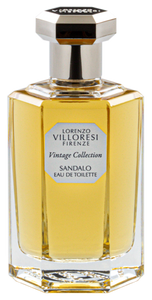
A rich, refined perfume from the Indian tradition, made with Mysore Sandalwood. A precious harmony of Sandalwood and Rose notes, in an embrace of Guaiacwood and Opoponax, of aromatic woods and wood sap.
All about this fragrance
Vibe check
Sandalo suits an unhurried afternoon spent in quiet concentration, with conversation close enough to catch the rose beneath the woods. Its old-school woody character suggests composure rather than display: a considered presence, softened by floral warmth and given depth by resin.
How to wear
Start with one or two sprays on the neck or forearms, allowing the aromatic opening to settle into sandalwood and resin. Mild to cool weather is a natural starting point for this richer woody profile; in warmer conditions, apply lightly to keep the rose and aromatic accents in balance.
Who it’s for
For those who favour traditional woody perfumery, restrained styling and sandalwood compositions with more detail than a solitary wood accord. Rose, opoponax and oakmoss add floral softness, resinous warmth and an old-school inflection without shifting the focus away from the woods.
Release year
1995
The nose
Lorenzo Villoresi, the house’s founder and perfumer, composed Sandalo. His work draws on extensive exploration of aromatic materials and traditions, combining richly textured compositions with an independent, artisanal approach. Known for fragrances such as Teint de Neige, he gives Sandalo a more wood-focused expression, framing its central material with rose, aromatics and resins.
Lorenzo Villoresi’s story
Lorenzo Villoresi approaches perfumery as an independent creative practice rather than an exercise in following trends. The Florentine house emphasises in-house production, attention to raw materials and understated personal luxury, drawing on diverse aromatic traditions and a background in bespoke fragrance-making.
Sandalo’s concept
Sandalo takes its inspiration from Indian aromatic tradition, with Mysore sandalwood as its central reference. Rather than presenting wood in isolation, the composition surrounds sandalwood with rose, guaiac wood, opoponax and aromatic accents, evoking both polished timber and the resinous richness of wood sap.
Extra info
Sandalwood appears in both the heart and base of the official note pyramid. Despite its wood-focused name and identity, Sandalo also opens with citrus and lavender, while Bulgarian rose and neroli bring floral detail to the heart.
Featured in edits and sample packs
Sandalwood Silhouettes
Notesgaiac / guaiac woodmysore sandalwoodoakmossopoponaxrosesandalwood
Tags
#clean
#normcore
Style
unisex
A rich, refined perfume from the Indian tradition, made with Mysore Sandalwood. A precious harmony of Sandalwood and Rose notes, in an embrace of Guaiacwood and Opoponax, of aromatic woods and wood sap.
All about this fragrance
Vibe check
Sandalo suits an unhurried afternoon spent in quiet concentration, with conversation close enough to catch the rose beneath the woods. Its old-school woody character suggests composure rather than display: a considered presence, softened by floral warmth and given depth by resin.
How to wear
Start with one or two sprays on the neck or forearms, allowing the aromatic opening to settle into sandalwood and resin. Mild to cool weather is a natural starting point for this richer woody profile; in warmer conditions, apply lightly to keep the rose and aromatic accents in balance.
Who it’s for
For those who favour traditional woody perfumery, restrained styling and sandalwood compositions with more detail than a solitary wood accord. Rose, opoponax and oakmoss add floral softness, resinous warmth and an old-school inflection without shifting the focus away from the woods.
Release year
1995
The nose
Lorenzo Villoresi, the house’s founder and perfumer, composed Sandalo. His work draws on extensive exploration of aromatic materials and traditions, combining richly textured compositions with an independent, artisanal approach. Known for fragrances such as Teint de Neige, he gives Sandalo a more wood-focused expression, framing its central material with rose, aromatics and resins.
Lorenzo Villoresi’s story
Lorenzo Villoresi approaches perfumery as an independent creative practice rather than an exercise in following trends. The Florentine house emphasises in-house production, attention to raw materials and understated personal luxury, drawing on diverse aromatic traditions and a background in bespoke fragrance-making.
Sandalo’s concept
Sandalo takes its inspiration from Indian aromatic tradition, with Mysore sandalwood as its central reference. Rather than presenting wood in isolation, the composition surrounds sandalwood with rose, guaiac wood, opoponax and aromatic accents, evoking both polished timber and the resinous richness of wood sap.
Extra info
Sandalwood appears in both the heart and base of the official note pyramid. Despite its wood-focused name and identity, Sandalo also opens with citrus and lavender, while Bulgarian rose and neroli bring floral detail to the heart.
Featured in edits and sample packs
Sandalwood Silhouettes