
Best Iris Root by Loewe Alternatives & Similar Perfumes
Iris Root by Loewe combines floral, woody, and musky elements centred on angelica root and orris (iris root), creating a refined, earthy elegance. Timur adds a subtle spiciness, while the orris root brings a powdery, slightly woody floral aspect. Those drawn to this scent should focus on fragrances that highlight angelica root and orris for a similar balance of earthiness and floral depth with a musky undertone.

Daymon by Mendittorosa £150.00
- Key notes:
- angelica root
- orris (iris root)
- sandalwood
- Aromagroups:
- woody
Perfumer: Luca Maffei
A caressing sandalwood perfume adorned with tonka beans dust, earthy angelica root and a fluffy orris tail.
In support of the Leaping Bunny and LAV organizations working to eliminate animal cruelty in the beauty products production.
Please note, there are several lid designs and you will get a surprise creature which might look different from the one in the photo.
The Sniff on Daymon:
“A cosy sense of safety and comfort is imparted from the base of the fragrance, from the sandalwood and tonka bean elements, and the scent lowers to a purr on the skin after a couple of hours.” Read the full review.

Iris Ardent by Molinard £91.67
- Key notes:
- amber
- angelica root
- leather
- mandarin
- orris (iris root)
- violet leaf
- Aromagroups:
- edible
- woody
There’s a tantalising friction in the smell of iris root. It’s austere, but tender. It can be powdery, but it also suggests leather. Depending on the context, it can read as feminine or masculine. Iris Ardent resolves this fabled material’s dissonance in a compelling eau de parfum that balances all of iris’ contradictions. The opening spikes of cypress and vetiver provide the scaffolding for cushiony amber and powdery iris. Juniper’s bright twang illuminates the darkness of incense and moss. Intellectual, but accessible.

Whispering Fields by Space Fluid £158.33
- Key notes:
- angelica root
- immortelle
- orris (iris root)
- osmanthus
- strawberry
- tuberose
- vetiver
- Aromagroups:
- aromatic
- leather
- unconventional
- vintage/old school
- woody
An autumnal picnic in a harvested field. Strawberry chocolate in the pocket of a suede jacket. Roasted barley on the air, a clash of earthy aromatics: angelica, lavender, helichrysum. The bite of whisky, the sweet twang of pear. Dense and fortifying.

Cape Wrath by Beaufort £104.17
- Key notes:
- angelica root
- fougere
- geranium
- oakmoss
- Aromagroups:
- aromatic
- green
- woody
Named after the rugged area of coastline on the most North Westerly tip of Britain, Cape Wrath pulls inspiration from this wild, treacherous seascape. The remote landmark - named after the old Norse word for ‘turning point’- has for centuries been used by sailors to safely navigate the coast of Britain, yet its treacherous waters have claimed countless vessels.

- Key notes:
- angelica root
- fennel
- fougere
- galbanum
- mint
- oakmoss
- petrichor
- pine
- vetiver
- Aromagroups:
- aromatic
- green
- vintage/old school
After the first rains of autumn, the woods exhale salubrious scents of peat, moss and petrichor — the ideal antidote to the scorching summer heat. Chypre-Mousse was first launched in 1914 for the dandies of the new century, and this iteration reinterprets a classic fougere with contemporary materials. This explosively aromatic blend hums with wild mint and fennel in a swirl of earthy oak moss, peppery green angelica and fresh pine. Bring the outdoors in with Chypre-Mousse.
Perfumer: Hugo Lambert
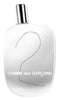
Comme des Garcons 2 by Comme Des Garcons £100.00
- Key notes:
- aldehydes
- angelica root
- ink
- mate tea
- tea
- Aromagroups:
- woody
Comme des Garcons 2 is a landmark perfume in the CdG range, and a revered cult classic. Built around invisible incense, the suggestion of ink, and the gentle euphoria of tea, CdG2 is bright and clear, but with an unexpected tenderness. Incredibly diffusive, this EdP retains its structure and presence while also hanging in the air with a barely-there shimmer.

Everveil by Brandt £154.17
- Key notes:
- alpine air
- angelica root
- cypress
- fir
- incense
- pine needles
- Aromagroups:
- green
- vintage/old school
- woody
Mountain air infused with juniper settles over an ancient coniferous forest. Orris and white musk mesh with balsam fir to create a cold, luminous finish.
H₂O³ by 32.JULI £129.17
- Key notes:
- angelica root
- cucumber
- driftwood
- frankincense
- galbanum
- verjus
- vetiver
- Aromagroups:
- green
A mineral mood at the intersection of bright green galbanum, sour-fruity verjus, and earthy-celery angelica. Like a clear morning on the shore, when water hits stone and mist hangs in the air. Dew glistens on the foliage.

Hexensalbe by Stora Skuggan £108.33
- Key notes:
- angelica root
- hemlock
- licorice
- rosemary
- wormwood
- Aromagroups:
- aromatic
- woody
“In rifleing the closet of the ladie, they found a pipe of oyntement, wherewith she greased a staffe, upon which she ambled and galloped through thick and thin, when and in what manner she listed”
– Proceedings Against Dame Alice Kyteler, Prosecuted for Sorcery, 1324
Hexensalbe, also known as witches’ flying ointment, was a hallucinogenic salve used in witchcraft in the middle ages. It was a mixture of extremely poisonous ingredients that produced an ecstatic trance with powerful sensations of flying, images of otherworldly creatures and a primal sexual hunger.
But where did the witches’ broomstick come in? The ointment was too poisonous to eat, so instead it was applied to other soft membranes, commonly the genitals. Because of the erotic effects of the high, the salve would often be rubbed directly onto a phallic object like the end of a staff or a broomstick. (Now that’s what we call “riding a broomstick”!)
Given which aspects of the history of hexensalbe have been suppressed, it would seem that the one thing more terrifying than witches is female sexuality. This fragrance celebrates the forbidden rituals of personal power, summoning the ancient ways with dark aromatics: wormwood, liquorice, belladonna and black hemlock. Voluptuous tuberose and vibrant patchouli ensure a long and blissful trip.

Misfit by Arquiste £162.50
- Key notes:
- akigalawood
- angelica root
- patchouli
- tonka beans
- Aromagroups:
- aromatic
- woody
Misfit is a generous woody gala with leathery patchouli in the spotlight and angelica, akigalawood and tonka dancing in the back.
The concept and context:
September 1877, Port of Marseille, France.
In a bedroom in the City of Flesh, a Kashmiri shawl drapes decadently over the bed. Once extremely coveted, the shawls are now out of fashion with the bourgeois, their distinctive patchouli scent a victim of their downfall. Adopted by bohemians and courtesans, the fragrance mixes with French lavender, musky ambers and exotic balsams. With a new edge, and in the hands of misfits with style, the ‘undesirable’ becomes desired again.
About Iris Root by Loewe
- How does Iris Root by Loewe differ from these similar fragrances?
- Iris Root combines timur’s subtle spiciness with angelica root and orris to create a balanced floral woody musk, while the fragrances listed focus variably on either the angelica root or orris aspects, often adding different woody, smoky, or fresh elements. None replicate the exact spicy nuance timur provides.
- What is angelica root’s role in these perfumes?
- Angelica root contributes an earthy, slightly green herbal quality that anchors the floral elements, providing depth and complexity. It is a common thread in Iris Root and the fragrances listed here, shaping their herbal character.
- Are these fragrances suitable for those who like powdery iris scents?
- Some, like Iris Ardent by Molinard, emphasise powdery orris notes more prominently, while others lean towards fresh, smoky, or woody interpretations. Choose based on whether you prefer powdery softness or additional aromatic or smoky layers.